
‘Sacred’ archaeological finds become design material at Ex Situ exhibition
The Dutch project Ex Situ transforms archaeological finds excluded from museum collections into design objects; the exhibition will take place in The Hague from 5 February to 7 March 2027.
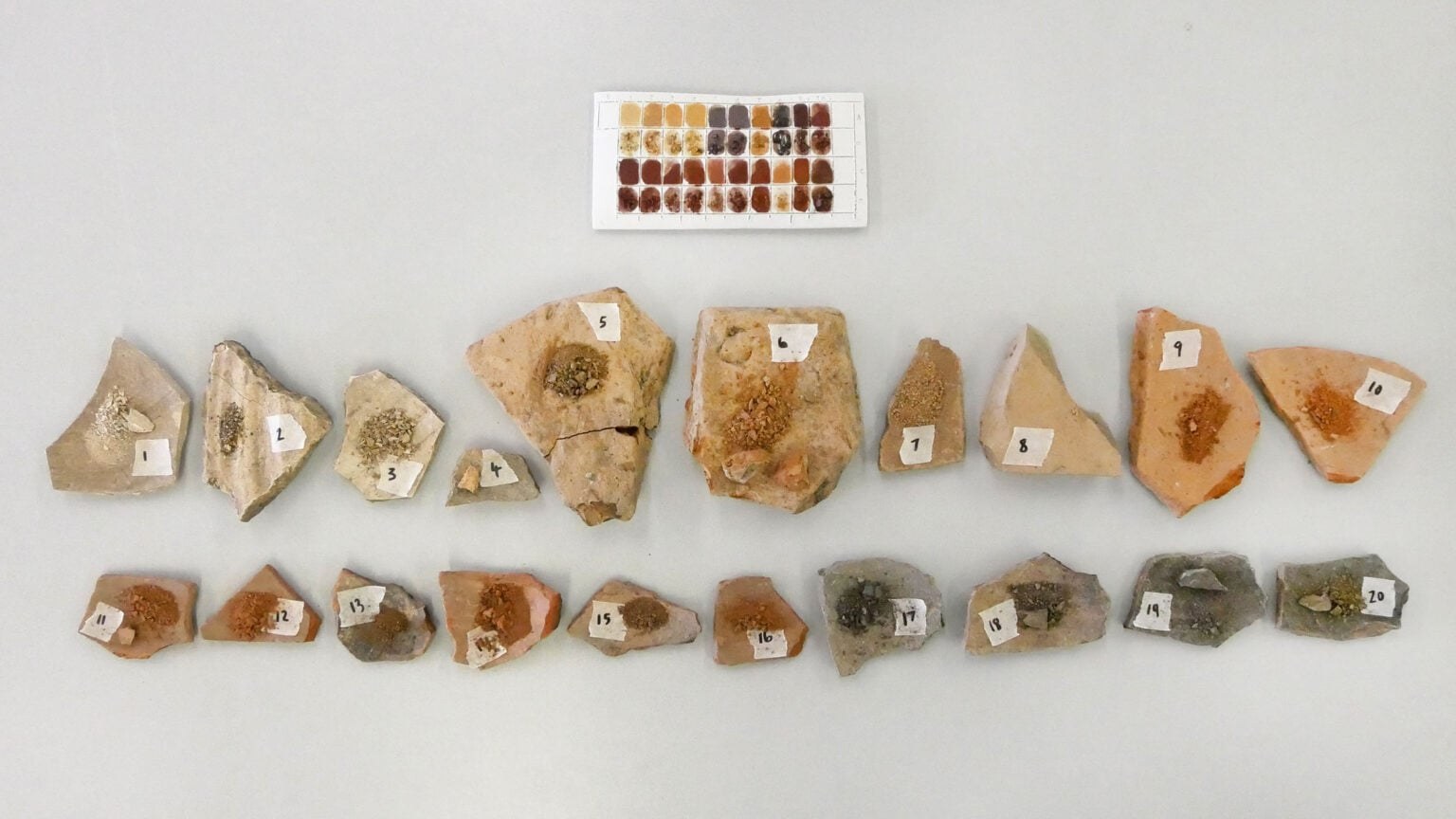
The exhibition Ex Situ: Matter in Translation will open in The Hague (Netherlands) on 5 February 2027. Its curator Marisa Klaster and archaeologist René Isarin provided nine Dutch craftsmen with finds that were not selected for museum collections due to poor preservation, prevalence, or limited scientific value.
The project used a 40,000-year-old mammoth bone, medieval leather, Roman ceramics, 17th–18th century glass, and fragments of wood from a 14th-century ship. According to the organisers, Dutch legislation requires the destruction of such materials if they are not used for educational purposes or reference collections.
Designer Judith Sanders turned support pillars from a Roman border road, built in 125 under Emperor Hadrian, into shoe heels. Another pair was made from medieval leather. Dan Simons preserved the texture and holes from wooden pegs in the Remembrance Pots, intended for ashes or a keepsake.
Klaster and Isarin believe that artists can tell stories about heritage differently than museums. However, they note ethical debates: archaeologists may criticise the sale of items made from excluded finds, especially if someone profits from it. The exhibition at See Lab will run until 7 March, with discussions also planned as part of the programme.