
British study: At-home medical tests make unfounded claims
Researchers in the UK examined 50 advertised online medical tests and warned that unfounded promises with weak oversight threaten patient safety.
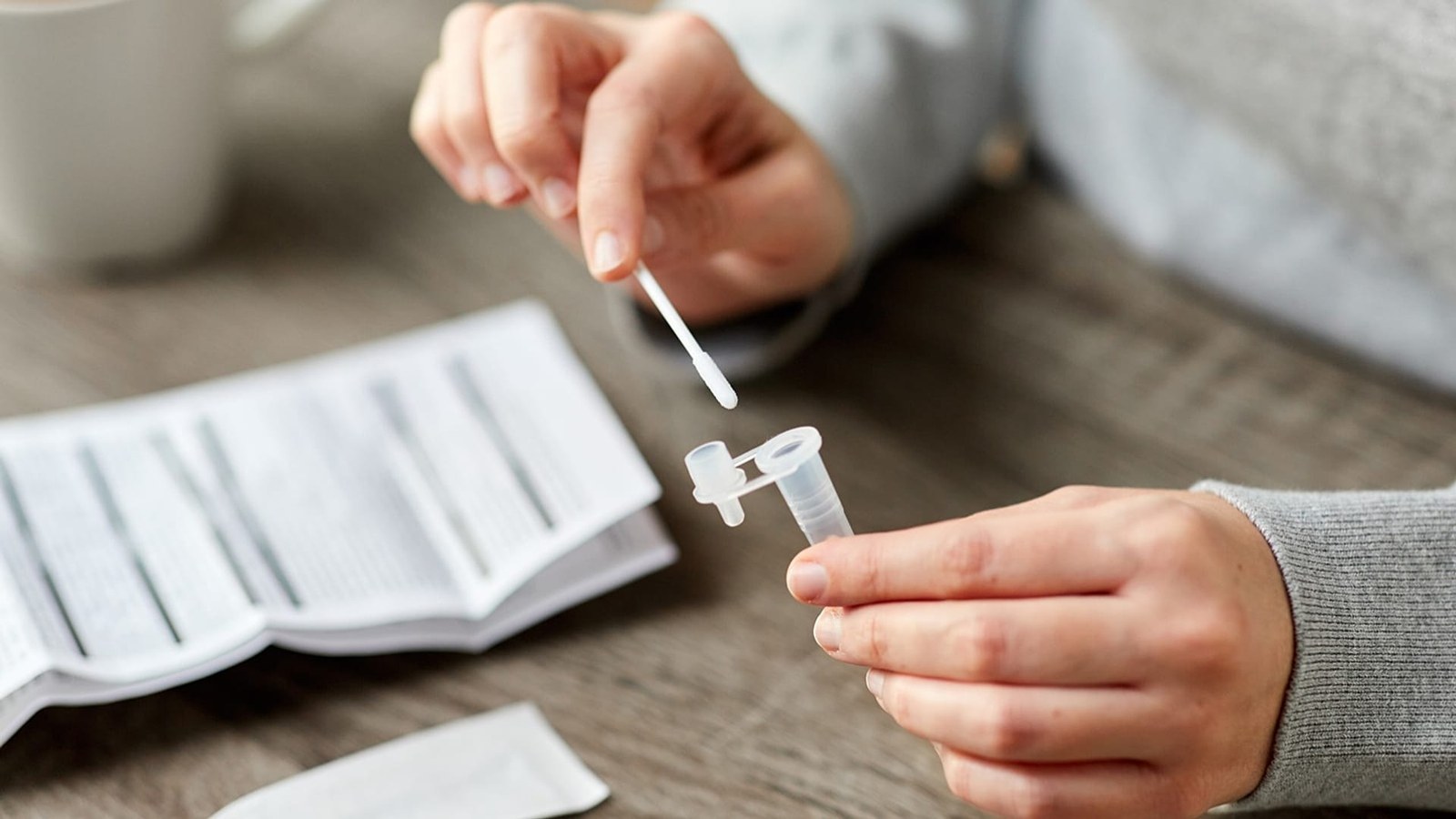
In the UK, researchers from the University of St Andrews analyzed 50 medical tests sold by online retailers and in-person clinics. The offerings included blood and microbiome analyses, genetic tests, liver and lung checks, cortisol level assessments, as well as visual and intimate examinations. The results were published in BMJ Open.
Sixteen tests promised, without evidence, to help people live longer, while another 36 linked them to earlier diagnosis and improved health. Potential drawbacks, including inaccuracy and risks of intimate procedures, were explained in only 15 of the offerings. The UK’s National Health Service does not recommend some of these examinations for people without concerning symptoms.
The scientists stated that poor-quality screening could lead to false-positive results, false reassurance due to false-negative results, and financial loss with minimal or no benefit. In their view, the availability of such tests with weak regulation should be considered a gap in oversight and a patient safety issue.
As a separate example, the UK’s Advertising Standards Authority banned an advertisement for Voy’s at-home testosterone test. The regulator deemed the link between fatigue, irritability, and low hormone levels—used to promote the kit—misleading.